




How to Set a Field for a Right-Handed Fast Bowler: Simple Fielding Plan
Setting a field is the quickest way to look like you know what you're doing, and the quickest way to look lost. The good news is that most of it comes down to one question asked over and over: where does this batter want to score, and how do I make that shot feel expensive? Get that right and the field almost places itself.
What follows is a straightforward plan for a right-arm fast bowler bowling to a right-hand batter. It covers the new-ball field, what to change when the swing stops, and how to adjust without panicking between overs.
Decide the plan before a fielder moves
A field is not decoration. It is the shape of your intention. Before you set anyone, be clear which of these the bowler is trying to do:
- Move the ball away from the bat (outswing) and attack the outside edge.
- Bring the ball back in (inswing) and attack the pads and the stumps.
- Hit the deck on a good length and cramp the batter for room.
- Bowl yorkers and slower balls at the death, with protection square of the wicket.
Every placement below follows from one of those four. If the bowler isn't sure which one is happening, no field will save the over.
The stock new-ball field to a right-hander
Start with the classic outswing setup. The bowler is aiming at the top of off stump, or a fraction outside it, and letting the ball leave the bat late.
Behind the wicket, you want catching fielders stacked on the off side. Two slips is standard; three if the pitch is doing something and the keeper is standing back. A gully protects the square drive and takes the thick edge that flies low. Third man sits on the boundary behind the slips if you're worried about the ball racing away, though in red-ball cricket you would often keep him up and trust the slips.
In front of the wicket, point and cover do the most work. Point stops the cut, cover cuts off the drive. Mid-off sits straight or slightly wider, depending on how much the bowler is swinging it. Mid-on waits on the other side of the stumps to stop the push down the ground.
On the leg side, midwicket and square leg are the important ones. The instinct against a ball leaving you is to work across the line towards midwicket, and a half-hearted flick goes straight to square leg. Fine leg completes the ring, waiting for the glance and the top-edged hook.
That is ten outfielders plus the keeper: two slips, gully, point, cover, mid-off, mid-on, midwicket, square leg, fine leg. Third man replaces a slip or a ring fielder whenever you want the boundary covered.
What changes when the ball stops swinging
Around the tenth over, or as soon as the shine goes, the edge becomes less likely and the batter starts scoring square of the wicket. Two adjustments matter most.
First, move a slip out and put them at point or cover, deeper than the ring. The ball is no longer finding the edge at catching height, so you are better off cutting off the drive.
Second, straighten the field if the batter starts looking over the top. On a flat pitch, mid-off and mid-on often drop back to long-off and long-on, and the ring fielders squeeze a little finer to keep the singles honest.
If the bowler switches to an inswing or leg-cutter plan, the whole shape flips. Now the danger is the ball hitting the pads or going through the leg side, so you want midwicket, square leg and fine leg covered, with a leg gully or short leg in place for the bat-pad chance. Slips can shrink to one.
Read the batter, not just the pitch
A batter who drives on the up
Leave the gap at cover slightly open and keep mid-off up. You want the drive to be tempting and risky, with the ball reaching a fielder rather than the rope.
A back-foot player
Push point and gully squarer and deeper. He will cut anything short outside off, and a strong cut needs a fielder square of the wicket, not behind it.
A slogger in the middle overs
Sacrifice the ring on one side. Bring fine leg and deep midwicket into play, keep someone at long-on, and bowl into the pitch rather than searching for the stumps.
Three plans you can call from the top of the mark
- Outswing, full length. Two slips, gully, point, cover, mid-off, mid-on, midwicket, square leg, fine leg.
- Inswing, straight. One slip, leg gully, point, cover, mid-off, mid-on, midwicket, square leg, deep fine leg, long-on.
- Hit-the-deck, back of a length. One slip, gully, point, cover, mid-off, mid-on, square leg, deep midwicket, fine leg, third man.
These are not gospel. They are starting points that keep the bowler covered on both sides of the wicket while he works out what the pitch is doing.
Talk to the fielders as you move them
Placing a fielder is half the job; telling them why is the other half. "Two steps finer" is not an instruction. "I want you taking the cut, so stay square and be ready for the low one" is. Fielders who understand the plan anticipate better, and anticipation saves more runs than any clever placement.
Keep it short — one sentence per fielder — and do it before the bowler turns at the top of his mark, not while he is running in.
Two rules to fall back on
When you are unsure, remember these. First, protect the shot the batter plays best. A fielder in the way of his favourite stroke is worth more than a clever trap he will never fall for. Second, never leave a gap you cannot justify. If the ball goes through the same hole twice in an over, the field is wrong, not the bowler.
Everything else is a conversation between captain, bowler and conditions. Set the plan, watch where the ball actually goes, and move one fielder at a time. That is the whole craft.
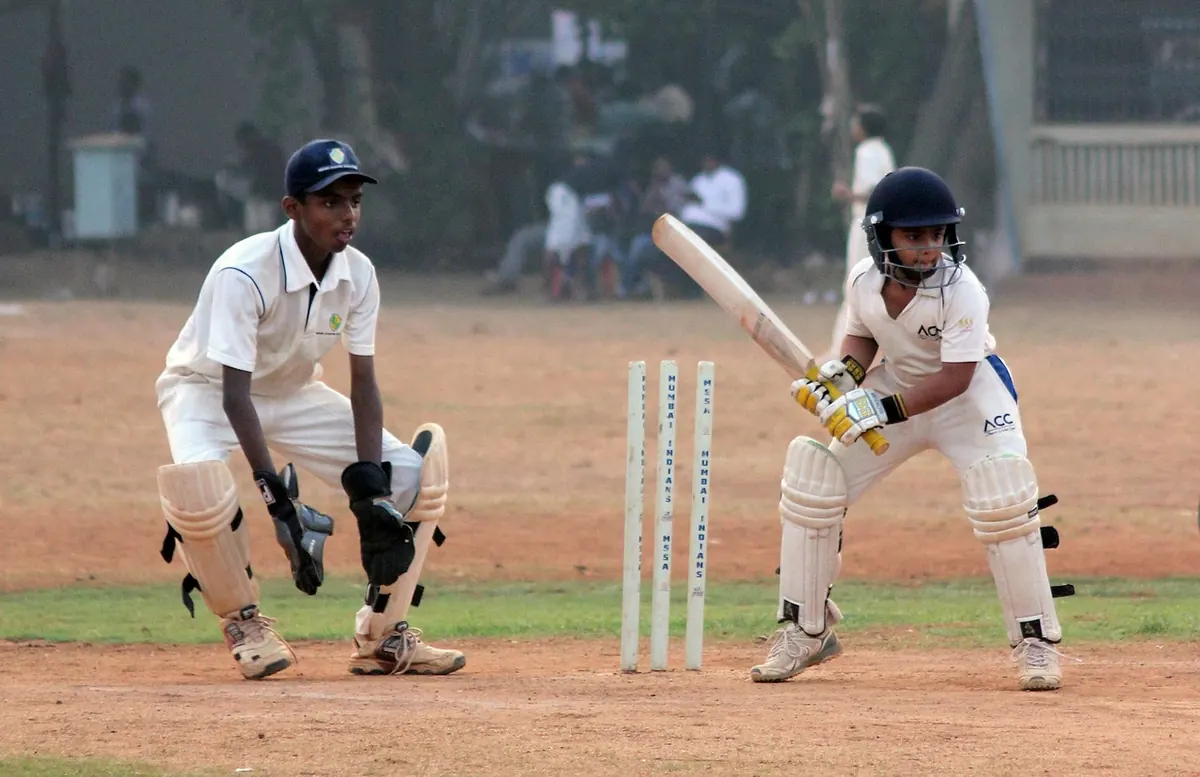
Photo: PDPics / Pixabay